
We take over WordPress projects that need stabilization.
Rescue missions for projects stalled with a previous agency, recovering from an incident, or stuck on a complex problem the in-house team can’t resolve alone.
WordPress projects don’t usually fail overnight. They slowly slip out of control – plugin sprawl, undocumented custom code, agencies that left, problems that piled up while the business kept running day-to-day. We’ve taken over projects in this state many times. We stabilize the system first, then plan the next steps.
WHAT WE RESCUE
Five typical scenarios where we take over.
A rescue mission isn’t a single playbook. The starting state determines the response – and we’ve seen most of them before.
01
Project the previous agency didn’t complete
The engagement ended with deliverables incomplete, code unfinished, or a system that doesn’t work properly. The team is back at the starting point – now with technical debt, half-built features, and a deadline that’s already moved. We assess what was built, what’s salvageable, what needs to be rebuilt. A clear plan emerges in days, not months.
02
Critical incident requires fast response
A breach. A performance collapse during a campaign. An update that broke production. The team is responding to the immediate problem with limited context, and the developers who built the system may not be available. We take over incident response, contain the damage, document what happened, and stabilize the system so the business can keep running.
03
In-house team is stuck on a complex problem
A problem the team has been chasing for weeks doesn’t yield to standard fixes. What’s needed is a different perspective – from experienced engineers with the right WordPress background. We engage as consultants, work alongside the team rather than around them, and resolve the underlying issue.
04
WordPress inherited from acquisition or restructure
A merger, a team transition, an unexpected handoff. The current team inherited a WordPress nobody knows. Documentation is incomplete, original developers are gone, the system is business-critical. We audit what’s there, document it, and provide an honest recommendation: keep, refactor, or rebuild.
05
WordPress with chronic technical debt
The system grew organically over years. Each addition brought another plugin, a custom function, a hot fix. The system works, but maintenance is painful, releases are slow, every change carries risk. We assess the technical debt, identify where investment pays back fastest, and execute a structured stabilization plan.
WHO NEEDS THIS
Familiar situations we know how to handle.

The previous agency is no longer engaged
Whatever the reason – contract ended, project quality issues, problems in the working relationship – the engagement is over. The codebase remains. Documentation is partial. The team needs WordPress expertise to take over without months of ramp-up.
We start with a focused assessment, take ownership of the system, and provide an honest evaluation of where things stand within the first weeks of engagement.

Recovering from a security or performance incident
A serious failure occurred. A breach, a malware infection, a critical performance degradation, a failed deployment. The team is dealing with the immediate fallout, but the deeper analysis – root cause, what to do next, how to prevent recurrence – hasn’t happened yet.
We handle the incident response, stabilize the system, and produce the analysis the team needs to brief executives and prevent the same situation from happening again.

A senior engineering perspective is missing
The internal team is capable but specialized in other areas. WordPress has become a critical platform for the business, and the depth of expertise required to maintain and evolve it isn’t in-house.
We engage as a senior partner. We don’t replace the team – we extend it with the WordPress and architecture expertise the situation requires.
METHODOLOGY
How a rescue mission engagement runs.
STEP 01
Initial assessment
We start with a focused review of the current state: code, infrastructure, documentation, contact with previous teams or vendors. The output is a clear summary of what exists, what’s working, what’s broken, and what needs immediate attention. Not a full audit upfront – just the situational picture needed to make the next decision.
STEP 02
Stabilization
We address the immediate concerns first: critical bugs, security exposures, performance bottlenecks affecting business operations. The goal is a system stable enough for the team to operate while we plan deeper work.
STEP 03
Diagnosis and decision
With the system stable, we go deeper. We map the technical debt, evaluate the existing architecture, identify what’s worth keeping and what should be rebuilt. You receive an honest recommendation – sometimes that means refactoring, sometimes a partial rebuild, sometimes a full WordPress migration as the right way forward.
STEP 04
Handoff or continued engagement
The rescue mission ends with a clear plan and a stabilized system. From there, we hand off to your team with documentation, transition into a Growth & Care partnership for ongoing engineering, or continue as the development team for the next phase. The decision is your team’s.
WHAT YOU GET
Concrete output you can act on.
The immediate problems addressed, the system functioning, the team able to operate without constant reaction to incidents. Documentation of what was changed and why.
A written register of areas where technical debt has accumulated, ranked by business risk and remediation effort. Not theoretical analysis – a concrete input for future investment decisions.
A concrete recommendation – what to keep, what to refactor, what to rebuild. Sequenced by priority and impact. A practical document the team or executives can act on.
Architecture diagrams, integration map, plugin inventory, custom code register, deployment process, hosting configuration. The kind of documentation that’s usually missing in rescue scenarios – now in place.
Continuation as part of Growth & Care for ongoing development, performance, and maintenance. Available when needed, optional if the system goes back to the in-house team.
After the rescue mission
Continued engineering as part of Growth & Care, focused work via WordPress development for rebuild scenarios, or a clean handoff with full documentation.
CASE STUDIES
WordPress in practice.
-

Enostrada
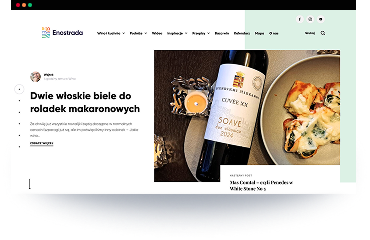
A lifestyle media project created by three enthusiasts: Robert (wine expert), Wojtek (culinary creator) and Kamil (travel & experiences). Their vision: a single modern platform combining wine, food, travel, and events, supported by high-quality articles, reviews, pairings and guides.
-
LernerPython
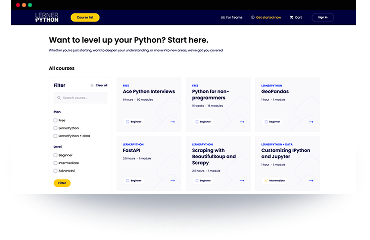
LernerPython is a premium membership-based e-learning platform created by Reuven Lerner, an internationally recognised Python educator and author. The platform provides: structured Python courses, weekly coding challenges, community access via Discord, long-term memberships for developers at different skill levels.
Questions about
WordPress
rescue missions.
Almost any. Each situation gets an honest assessment. If the system is in a state where stabilization would cost more than rebuilding from scratch, we’ll say so directly. Most of the time, even systems that look unsalvageable have value worth preserving. The assessment determines whether we engage or recommend a different path.
We’ve seen unstructured custom code, conflicting plugins, undocumented hot fixes, agency code that ran for years without maintenance. Bad code isn’t a deal-breaker. The deal-breaker is when business logic is so entangled with the code that nobody can document what the system actually does anymore. Even then, there’s usually a path forward – it just changes the strategy.
No. Rebuilds are expensive and disruptive. Most rescue missions end with a stabilization phase, targeted refactoring, and continued operation. A full rebuild is a last resort, not a default. We recommend it only when stabilizing the existing system would cost more than starting over.
It depends on the starting state. Initial assessment and stabilization are typically a matter of weeks. The longer-term work – debt repayment, refactoring, system improvements – varies by scope. We provide a realistic estimate after the initial assessment, not before.
Three options. Continued engineering with us as part of Growth & Care. A clean handoff to the in-house team with full documentation. Or development work via WordPress development if a rebuild is the right path. The decision stays with you. The rescue mission isn’t a way to push longer engagement.